Top Services at an Integrative Spine Care Office: Exploring Spine Care Office Offerings
When it comes to maintaining a healthy spine, the approach matters just as much as the treatment itself. I have found that a comprehensive, personalized plan often leads to the best outcomes. This is why I want to share insights into the top services you can expect at an integrative spine care office. These offices focus on combining multiple disciplines to address spine health holistically. Whether you are an active adult, an athlete, a Medicare patient, or recovering from an injury, understanding these offerings can help you make informed decisions about your care.
Understanding Spine Care Office Offerings
Spine care offices today offer more than just traditional chiropractic adjustments or physical therapy. They provide a range of services designed to treat the root causes of pain and dysfunction, not just the symptoms. Here are some of the key offerings you will typically find:
Comprehensive Evaluations: This includes detailed physical exams, posture analysis, and sometimes advanced imaging to understand the spine’s condition fully.
Personalized Treatment Plans: Based on the evaluation, a tailored plan is created to meet your specific needs and goals.
Manual Therapies: These include chiropractic adjustments, massage therapy, and myofascial release to improve mobility and reduce pain.
Rehabilitative Exercises: Customized exercise programs help strengthen supporting muscles and improve flexibility.
Nutritional Counseling: Since inflammation and healing are influenced by diet, some offices offer guidance on nutrition to support spine health.
Functional Medicine Approaches: This involves looking at the whole body and lifestyle factors that may affect spine health, such as stress, sleep, and systemic inflammation.
Each of these services plays a vital role in a comprehensive spine care strategy. They work together to promote lasting wellness rather than temporary relief.

Manual Therapies and Their Benefits
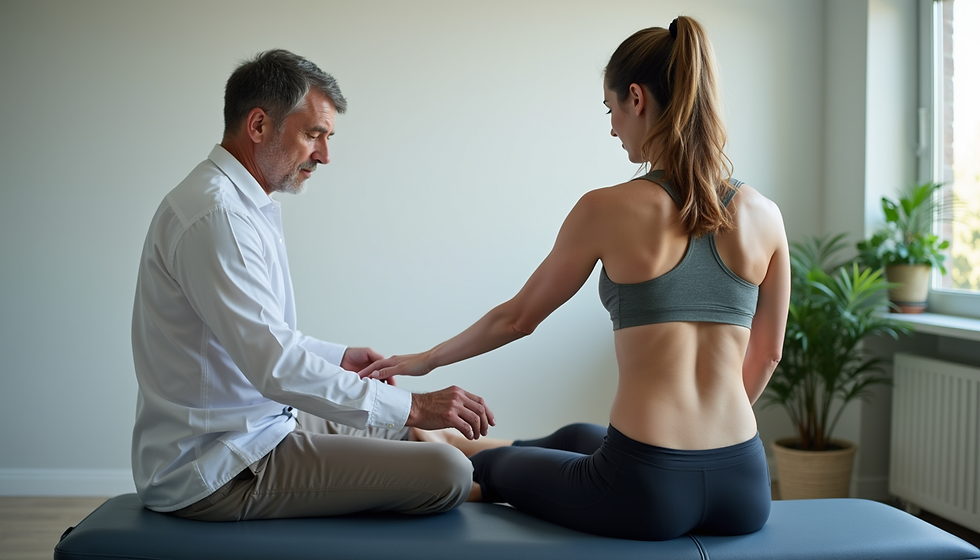
Manual therapies are often the cornerstone of spine care. They involve hands-on techniques that aim to restore proper alignment and function to the spine and surrounding tissues. Here are some common manual therapies you might encounter:
Chiropractic Adjustments
These adjustments involve precise movements to realign the vertebrae. The goal is to reduce nerve irritation and improve joint mobility. Many patients report immediate relief after an adjustment.
Massage Therapy
Massage helps relax tight muscles, improve circulation, and reduce pain. It can be particularly helpful for those with muscle spasms or tension related to spine issues.
Myofascial Release
This technique targets the fascia, the connective tissue surrounding muscles. Releasing restrictions in the fascia can improve movement and decrease discomfort.
Trigger Point Therapy
Focused pressure is applied to specific points in muscles that cause pain elsewhere in the body. This can help break the cycle of chronic pain.
Manual therapies are often combined with other treatments to maximize their effectiveness. They provide immediate relief and set the stage for longer-term healing through exercise and lifestyle changes.
Rehabilitative Exercises for Spine Health
Exercise is a critical component of any spine care program. It strengthens the muscles that support the spine, improves flexibility, and enhances overall function. Here are some types of exercises commonly prescribed:
Core Strengthening
Strong core muscles stabilize the spine and reduce the risk of injury. Exercises like planks, bridges, and abdominal crunches are often included.
Flexibility Training
Stretching tight muscles, such as the hamstrings and hip flexors, can relieve pressure on the lower back.
Postural Exercises
These exercises help correct poor posture habits that contribute to spine problems.
Balance and Coordination
Improving balance reduces the risk of falls and injuries, especially important for older adults.
A skilled spine care provider will design an exercise program tailored to your current abilities and goals. They will also teach you how to perform exercises safely to avoid further injury.

Nutritional and Lifestyle Support
Spine health is influenced by more than just physical factors. Nutrition and lifestyle choices play a significant role in inflammation, healing, and overall wellness. Many integrative spine care offices include nutritional counseling as part of their offerings. Here’s why it matters:
Reducing Inflammation
Certain foods can increase inflammation, which may worsen spine pain. A diet rich in anti-inflammatory foods like fruits, vegetables, and omega-3 fatty acids can support healing.
Supporting Bone Health
Adequate intake of calcium, vitamin D, and other nutrients is essential for maintaining strong bones.
Weight Management
Excess weight puts additional strain on the spine. Nutritional guidance can help achieve and maintain a healthy weight.
Hydration
Proper hydration supports disc health and overall tissue function.
In addition to nutrition, lifestyle factors such as sleep quality, stress management, and ergonomic habits are addressed. This holistic approach ensures that all aspects of your health contribute positively to spine care.
Functional Medicine and Personalized Care
One of the most unique aspects of an integrative spine care office is the use of functional medicine principles. This approach looks beyond the spine itself to understand how the entire body and environment affect your condition. It involves:
Detailed Health History
Exploring past injuries, chronic conditions, and lifestyle factors.
Advanced Testing
Sometimes labs or imaging are used to identify underlying issues like nutrient deficiencies or inflammation.
Individualized Treatment
Each patient receives a plan that considers their unique biology and circumstances.
This personalized approach aligns with Dr. David C. Radford’s philosophy of N=1 medicine, where treatment is tailored to the individual rather than a one-size-fits-all model. It helps uncover root causes and creates a path to lasting wellness.
Taking the Next Step in Spine Care
If you are experiencing spine pain or want to maintain a healthy back, exploring the services at an integrative spine care office can be a wise choice. These offices offer a comprehensive range of treatments designed to address your needs holistically. From manual therapies and rehabilitative exercises to nutritional support and functional medicine, the goal is to help you achieve lasting relief and improved function.
Remember, spine care is not just about managing symptoms. It is about understanding your body, addressing root causes, and empowering you with the tools to maintain wellness. Taking this proactive approach can make a significant difference in your quality of life.
I encourage you to consider these offerings carefully and seek out a provider who values personalized, non-surgical care. Your spine is the foundation of your movement and health - treating it with the care it deserves is an investment in your future.


Comments